
 Software Solutions
The Enduring Fascination with Games of Chance
Gambling, at its core, represents a captivating dance with uncertainty, tapping into a fundamental human desire for excitement, the thrill of the unknown, and the potential for significant rewards, and this allure is not new; it has permeated societies for centuries, evolving from ancient dice games to sophisticated modern casinos and online platforms, with resources like https://wintheregb.org.uk/ offering valuable insights into its impact.
The psychological draw of gambling lies in its ability to create intense emotional experiences. The anticipation of a win, the sudden rush of adrenaline, and the social camaraderie often found in gambling environments all contribute to its powerful appeal. This potent mix of hope, strategy, and chance forms the bedrock of its enduring popularity, making it a subject of both fascination and concern.
The Psychology of Power and Control in Gambling
For many, gambling offers an illusion of control over destiny. The act of placing a bet, choosing a number, or playing a hand can provide a sense of agency, even when outcomes are largely determined by chance. This perceived power is a significant part of the attraction, allowing individuals to feel like active participants in shaping their financial future, however transient that feeling might be.
The pursuit of this power can be intoxicating. Success, even if occasional, reinforces the belief in one’s ability to influence outcomes, leading to a desire for more. This cycle of perceived control and the subsequent emotional highs can create a powerful psychological hook, making it difficult for some individuals to disengage from the gambling experience.
Understanding the Inherent Risks and Responsible Play
Despite its allure, gambling is intrinsically linked to significant risks. Financial losses are the most obvious consequence, but the potential for addiction, emotional distress, and social repercussions is equally serious. Recognizing these dangers is paramount for anyone engaging in games of chance.
Responsible gambling practices are essential to mitigate these risks. This includes setting strict limits on time and money, understanding that gambling is entertainment rather than a guaranteed income source, and knowing when to walk away. Organizations dedicated to supporting responsible gambling play a crucial role in educating the public and offering help to those who may be struggling.
Gambling’s Role in Popular Culture and Society
The theme of gambling is a recurring motif in literature, film, and art, reflecting its deep-seated presence in the human psyche. These portrayals often highlight the drama, the high stakes, and the moral complexities associated with betting and chance, further cementing its iconic status.
Beyond entertainment, gambling also contributes to economies through taxation and employment. However, this economic aspect is often debated against the social costs associated with problem gambling. Striking a balance between the economic benefits and the societal responsibilities remains a continuous challenge for regulators and communities.
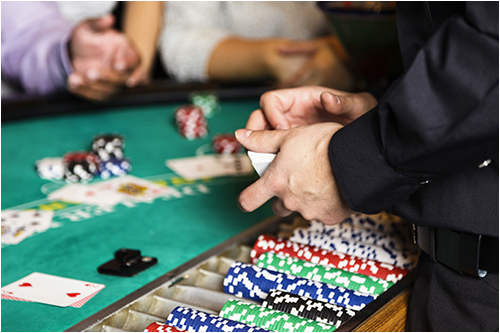
Wintheregb.org.uk: A Resource for Understanding and Support
Platforms like Wintheregb.org.uk are vital in navigating the complex landscape of gambling. They serve as a crucial resource for information, offering insights into the nature of gambling, its potential pitfalls, and the importance of responsible engagement. Such sites aim to provide clarity and guidance for individuals and communities affected by gambling.
By focusing on education and awareness, Winchester REGB likely aims to empower individuals with the knowledge they need to make informed decisions about gambling. Their efforts underscore the significance of promoting a safer and more responsible approach to games of chance, acknowledging both the allure and the inherent risks involved.
