
 Software Solutions
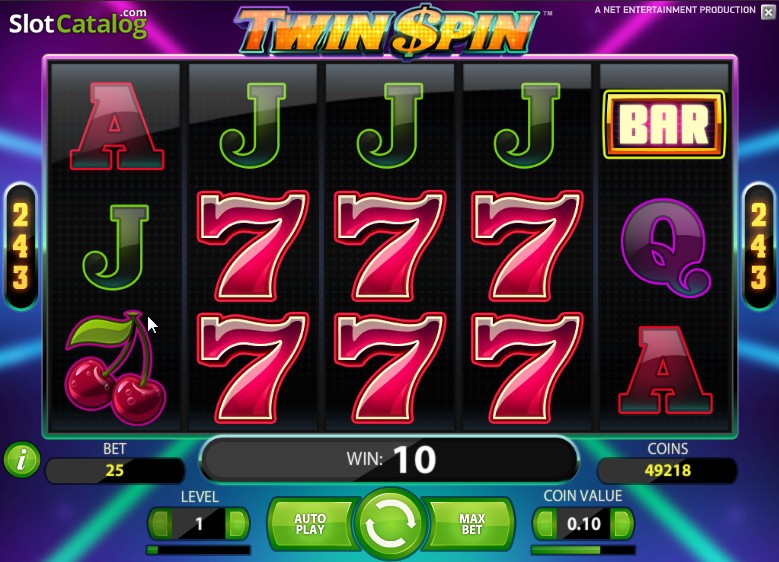
As an analytical player, I wanted to move beyond gut hunches about my online casino habits. I devoted myself to carefully logging every session at oopspin casino play for three full months. This went beyond wins and losses to monitor time, games, bet sizes, bonus usage, and my emotional state. The subsequent dataset delivers a rare, transparent look at the real patterns of a Canadian player’s journey. My honest assessment strips away marketing hype to reveal the patterns, profitability, and pitfalls I found through disciplined, personal record-keeping.
My Approach: The Process of Gathering the Data
For consistency, I used a basic spreadsheet filled in right away after each session. I gambled exclusively at Oopspin Casino during this period to isolate variables. Every entry recorded the date, session duration, starting and ending balance, primary game, total bets, and bonus use. I added a personal note on my mindset, like “focused” or “chasing.” I viewed this as a individual audit, not a profit quest, logging losses as thoroughly as wins to uphold data integrity for this Canada-focused review.
Main Metrics I Monitored
I concentrated on measurable metrics that could uncover clear trends over the ninety days. The core four were observed Return to Player (RTP), session length in minutes, net profit/loss per session, and game-switching frequency. This structured approach changed unclear impressions into solid numbers I could genuinely analyze. It allowed me to see correlations between my discipline and my outcomes, moving from speculation to evidence-based understanding of my own play.
The Single Most Revealing Metric: Cost-Per-Hour
Beyond basic profit/loss, determining an entertainment cost was enlightening. For each session, I divided the net loss by the hours played. A $15 loss over 30 minutes is a $30/hour entertainment cost. This reframed losses as a leisure expense, comparable to a concert ticket. This metric assisted me determine more rational loss limits, as seeing a potential $100/hour “cost” made me reconsider bet sizes more efficiently than any abstract budget rule ever had.
The Actual Figures: Gains, Loss, and Breakeven Reality
After 90 days, the ledger told a stark story. I finished 127 separate sessions. Of those, 62 were down sessions, 48 were winning sessions, and 17 ended basically breakeven. My total net result was a loss of $427 CAD. My largest single-session win was $312, while my biggest loss was $205. The data refuted the “I always lose” myth; I won nearly 38% of the time. However, the size of losses on bad days outweighed the wins, a classic casino mathematical reality exposed by the data.
Bankroll Management: What Truly Worked
I experimented with several bankroll methods during the three months. A strict percentage-of-bankroll bet sizing was successful for live games but felt unnatural on slots. A simple, hard loss-limit system performed best overall. The data demonstrated that sessions where I stopped after losing a pre-set amount preserved my bankroll for future play. Conversely, the few times I ignored my own loss limit to “win it back” were among my most costly sessions, accounting for a disproportionate share of my total loss.
Game Performance
My playtime split 70/30 between online slots and live dealer games like blackjack and roulette. The difference in performance was stark. Slots were the main cause of my overall net loss, with high variance and long dry spells. On the other hand, my live blackjack sessions, using basic strategy, were far more stable. While I rarely hit huge wins, the variance between sessions was lower, and my observed RTP was significantly closer to the game’s theoretical return.
- Video Slots (High Volatility):
- Live Blackjack (Basic Strategy):
- Live Roulette (Even-money bets):
Psychological Patterns and Emotional Catalysts
Comparing my subjective notes with financial data produced the most valuable insights. Sessions logged as “chasing” or “frustrated” had an average loss 300% higher than sessions marked “relaxed” or “focused.” Impulsive game-switching mid-session occurred in 22% of sessions and correlated with a 50% faster loss rate. My most profitable hours were between 7-9 PM when I was focused. This emphasized that my mental state, not the games themselves, was the largest controllable variable in my results.
Promotion Impact Study: Did Offers Benefit?
Oopspin Casino features numerous bonuses, and I used them tactically. My findings were complex. Sign-up bonuses and deposit matches effectively prolonged my playtime, which was worthwhile. However, playthrough conditions often pushed me to play longer or at increased stakes than my personal rules permitted. Free spins were fun but seldom yielded significant cashable amounts. Ultimately, bonuses provided short-term opportunity but did not alter the house edge or my long-term negative expectation.
The Bonus Wagering Snare
The most critical data came from sessions where I was meeting wagering requirements. My average bet size rose by about 25% as I subconsciously attempted to clear the requirement faster. This caused more rapid bankroll depletion. My focus changed from entertainment to task completion, making play tense. The data indicated my loss rate was 40% more during bonus wagering sessions compared to regular play, a powerful lesson in how promotions can negatively affect behavior.
Main Insights for Canadian Players
This trial provided useful insights. First, treat gambling solely as a budgeted entertainment expense, not an investment. Next, your mindset is your critical resource; refrain from playing upset. Third, promotions are tools for longer gaming, not revenue methods. Fourthly, spending caps are non-negotiable for longevity. In conclusion, choosing games significantly affects variance; recognize the gap between volatile slots and tactical table games.
Tracking my Oopspin Casino playtimes for three months was an enlightening experience in openness. The figures moved me from casual guessing to an knowledgeable grasp of my patterns. Although the total monetary outcome was a loss, framing it as an leisure cost gave context. The greatest value was instructive: a profound, practical awareness of how my behavior, game choice, and application of promotions immediately dictate results, allowing more accountable and deliberate play.
